





Acne has a tendency to appear as and when you least expect it. So, many people look for long-term remedies for it. A frequently asked question is does chemical peel remove acne permanently on face?
Well, the question does not have an easy ‘yes’ or ‘no’ answer.
Chemical peel therapy usually works really well to remove existing acne scars, clear blocked pores and promote better skin texture.
Thus, it is a good option to reduce post-acne scars as well as help in improving overall skin health. But in spite of the therapy, hormones, excess oils and other inherent factors continue to lead to new acne.
In this blog post, we are going to discuss the science behind chemical peels, their advantages, and what results can you expect, their potential side effects and can it be viable as a long-term acne treatment.
Does Chemical Peel Remove Acne Permanently?
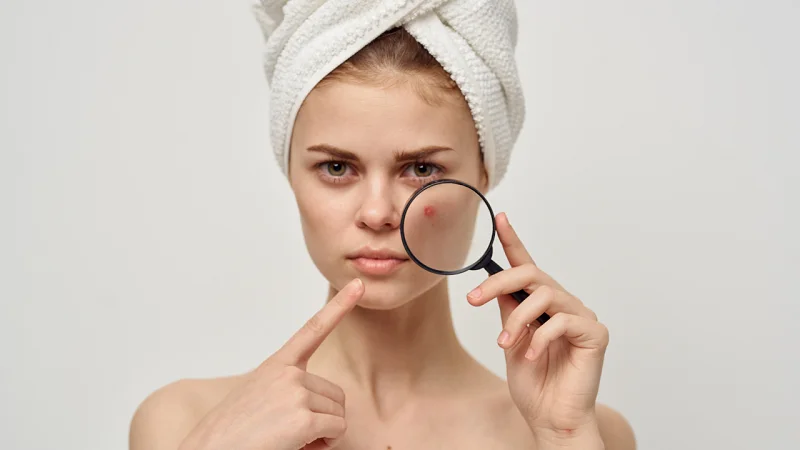
No, your skincare routine, maintenance treatments upkeep, as well as the main reasons behind your acne largely determines the effectiveness of chemical peels for acne.
If the acne is due to hormones or genetics, chemical peel will not be able to miraculously prevent all future breakouts, and the acne may resurface again until the root cause is fixed with the help of a dermatologist.
So, chemical peels are not the most definite and future proof plan for acne, but they do wonders when it comes to helping minimize your active breakouts, and improving the look of your complexion. Chemical peels work because they shed old skin cells, unclog pores and control oil production.
This process leaves your skin looking smoother, healthier and less breakouts will start appearing after a couple of treatment sessions.
However, the reasons why acne breaks out are multiple. Hormones change throughout life, your skin keeps secreting sebum, and you can have genetic predisposition. All these factors make it possible that a new breakout can occur even after you have cleared the acne.
Although, it all depends on the kind of acne as well. Comedonal acne which is not so severe may react better to chemical peel as compared to the cystic acne. So, there is no one size fits all plan for the patients. Only a dermatologist can advise regarding the best combination of treatments for acne.
>> Book an Appointment with Dr. Rizwana Barkat for an Acne Consultation.
A chemical peel can help you:
- Reduce active acne breakouts.
- Unclog pores effectively.
- Control excess oil production.
- Improve overall skin texture.
- Fade post-acne marks gradually.
- Support healthier skin renewal.
When you have realistic expectations, you will not be disappointed. Moreover, this will assist you in selecting the best treatment for your skin.
In the next part of this blog, we will guide you through the action of a chemical peel on your skin and explain why acne subsides with this treatment.
How Does a Chemical Peel Work for Acne?
The best chemical peel for active acne would be a combination based on skin type and acne severity. We often suggest Salicylic Acid peels for acne that occurs on oily skin and Glycolic Acid peels for the texture and acne marks left behind.
While they can provide some real results, peels are just one piece of the puzzle and you need a personalized program in conjunction with treatments. Stick to after-care directives, attend all of your follow-ups and stay consistent, and you’ll see clearer skin in a matter of weeks.
Benefits of Chemical Peels for Acne:
- Softens rough skin caused by recurring acne.
- Minimizes the appearance of superficial acne scars over time.
- Encourages collagen production with selected medium-depth peels.
- Balances oily skin without excessive dryness when professionally selected.
- Supports long-term acne management alongside medical treatments.
The results of this procedure may be more visible after a series of sessions, although it’s still true that the results will depend on the condition of your skin.
Now, you need to learn which kinds of acne will benefit from chemical peels. That way, you can know what to expect from the treatment.

Which Acne Responds Best to Chemical Peels?
Some cases of acne respond much better to chemical peels than others, so it’s important to find out what sort of acne you have before anything else.
Typically, mild to moderate acne conditions get optimal results. Whiteheads and blackheads usually clear because of the chemical peel removing pore blockages and dead cells, and small inflammations may reduce after a few sessions. The chemical peel may even fade acne scars after all active breakouts have resolved.
On the other hand, a chemical peel may not be the treatment of choice for acne which has developed into deep cystic or nodular acne.
With deep cystic or nodular acne, the pimples develop deeper in the skin than a chemical peel is likely to affect, so most dermatologists combine these treatments with prescribed acne medications and other treatments.
Chemical peels work best for:
- Whiteheads
- Blackheads
- Mild papules
- Oily and acne-prone skin
- Post-acne pigmentation
- Uneven skin texture
Proper client selection enhances safety, improves the final outcome, so all new clients go through an extensive skin assessment before the very first peel, which also reduces any unneeded risk.
Note: Looking for effective teenage acne treatment in Patna? Visit R Square Clinic, where Dr. Rizwana Barkat creates customized treatment plans that target the root cause of acne, not just the symptoms.
Best Types of Chemical Peels for Acne
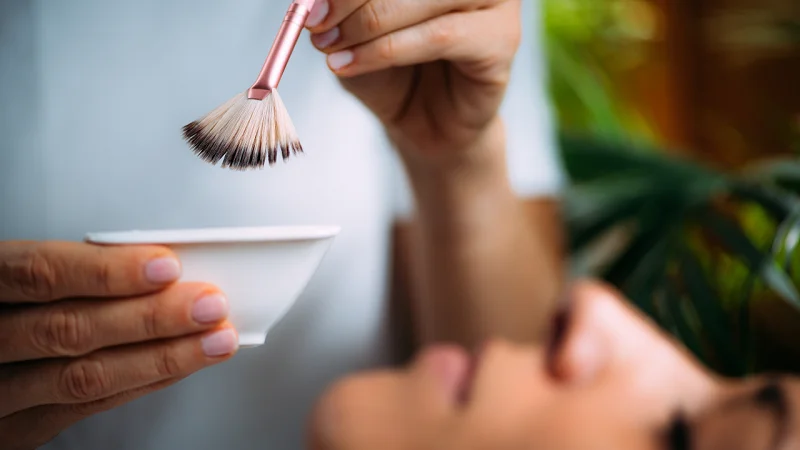
Not every chemical peel is created equal. They contain different chemical components that treat different types of skin conditions and concerns. Thus, picking the proper peel is of critical importance for success.
Other factors to consider include your skin type and your sensitivity to different chemical agents as well as the type of acne you are suffering from.
Based on these factors, your doctor will prescribe an appropriate course of treatment for you. In addition to getting the best results, this will make your treatment as comfortable as possible.
Superficial peels generally offer good results for moderate acne and oily skin, while medium-depth peels are beneficial in reducing acne scars and refining uneven skin tone.
However, stronger/deep peels must be performed under close supervision as they work by penetrating through several skin layers.
Common Chemical Peels for Acne:
- Salicylic Acid Peel: Best for oily skin, clogged pores, and active acne.
- Glycolic Acid Peel: Improves skin texture, pigmentation, and mild acne scars.
- Lactic Acid Peel: Suitable for sensitive or dry acne-prone skin.
- Mandelic Acid Peel: Works well for acne-prone skin with post-inflammatory pigmentation.
- Jessner’s Peel: Treats persistent acne, excess oil, and superficial acne scars.
Please note that the total chemical peeling treatment price is based on the kind of peel you have, how many peels you’ll need, and what your skin’s condition is like.
Now, as they say, nothing really matters unless you see the results. So, what can you expect in the before and after scenario after a chemical peel treatment? Let’s find out.
Chemical Peel for Acne: Before and After Results
The results may differ from one person to another. Many people would have smoother and less acne-prone skin in just a few sessions. With chemical peel before and after results, you might find lesser oil on your skin, lighter skin, and acne spots fading away. Nevertheless, more sessions are needed for severe acne scars.
It takes time to see visible changes, so don’t expect overnight results. Always be patient during your treatment sessions, and follow the dermatologist’s recommendations. You’ll see better, more sustained results.
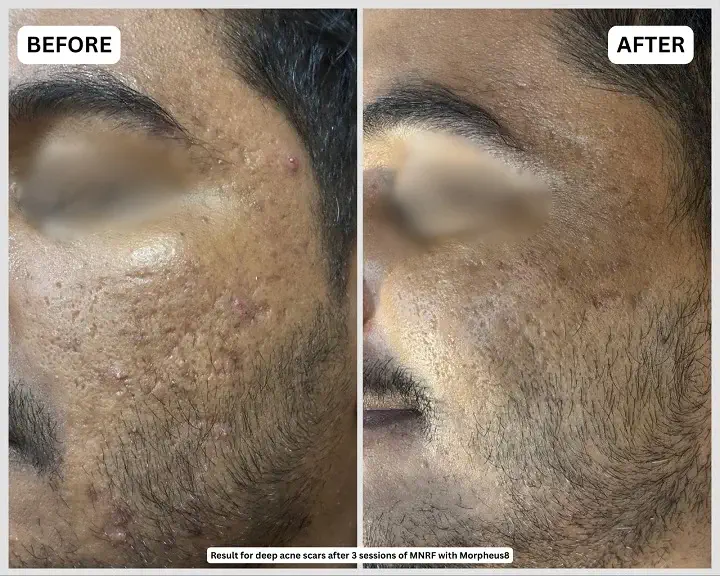
Patient with deep acne scars. Result after 3 sessions of MNRF by Morpheus 8
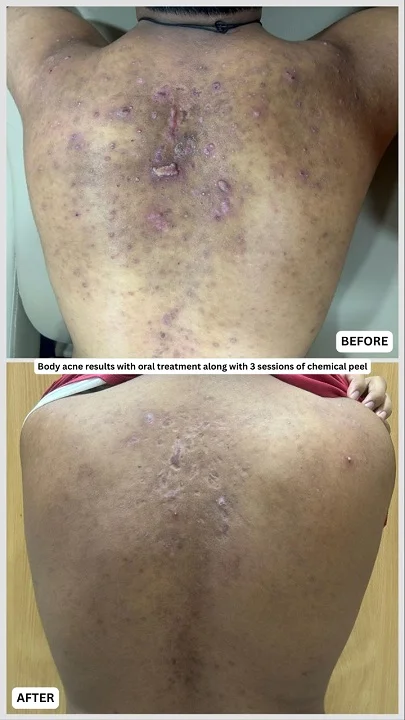
Male with body acne. Result with oral treatment along with 3 sessions of chemical peel.
Keep in mind, multiple sessions, correct post-treatment care, and reasonable expectations are essential to attaining clearer, healthier skin. And if your acne has left you with scars, learning more about acne scar treatment in Patna can assist you in boosting your outcome.

Why Some People See Amazing Results While Others Don’t?
You’re going to be different from every single other person who has ever had a chemical peel before you. Many different variables impact how your skin reacts, so you don’t want to compare where you are to someone else. Your:
- skin type,
- acne severity
- and the condition of your skin
can have a large impact on how quickly and how effectively you respond to treatment. Proper adherence to your treatment schedule and aftercare instructions can also have a substantial effect.
Most patients with acne can expect to see results quicker with mild cases of acne than with deeper cystic acne and scars, which typically require more treatments.
Factors That Affect Results:
- Type and severity of acne
- Skin type and sensitivity
- Number of peeling sessions attended
- Quality of post-treatment care
- Lifestyle and hormonal changes
- Experience of the treating dermatologist
Knowing this information will help you understand the real possibilities. Because even if you achieve great results, keeping your skin clear is a journey and not a destination.
Note: The right treatment starts with the right diagnosis. Visit R Square Clinic for a comprehensive skin evaluation with Dr. Rizwana Barkat. Whether you need a chemical peel or laser treatment for acne scars in Patna, you’ll receive a personalized treatment plan designed to deliver the best possible results for your skin.
Can Acne Return After a Chemical Peel?
The answer is yes, acne can come back after a chemical peel. While it can treat existing breakouts, it’s not a permanent solution for what causes acne in the first place.
It means continuing your regular skincare routine, keeping up with maintenance sessions, and making other lifestyle changes.
It’s important to understand that the changes that cause acne in the first place don’t stop after adolescence, and those glands never stop making oil.
This oil can trap bacteria and cause another zit to form. And sometimes it’s just in your DNA to be acne-prone even when you think you’ve beat it.
Thus, to know what to expect before going into your treatment, it’s good to understand chemical peeling advantages and disadvantages.
Even with its wonderful benefits, the maintenance of clearer skin still needs to be sustained. Now, let’s look at the side effects and how to maintain your skin through aftercare.
Side Effects and Risks of Chemical Peel for Acne
When done by a board-certified dermatologist, chemical peels are typically very safe. You can expect redness, dryness, peeling, and some irritation during the healing process. Sometimes your skin looks worse after chemical peel before it starts looking better. It’s temporary and should resolve as the treatment sessions continue.
Aftercare Tips:
- Wear sunscreen daily.
- Keep your skin moisturized.
- Avoid picking peeling skin.
- Skip harsh skincare products.
- Follow your dermatologist’s instructions.
Aftercare is important to help the chemical peel work well and achieve good results.
There are also situations when a chemical peel is not enough on its own, and you’ll have to go for combination treatments. Find out when dermatologists advise us to pair this treatment with other advanced acne therapies.
When Chemical Peels Alone are Not Enough?
When treating acne, chemical peels can be a great treatment for mild to moderate cases. But there are instances when an integrated plan will deliver superior and more enduring results. A dermatologist may suggest other options in cases like these:
- Severe inflammatory acne: Prescription medications help control inflammation and active breakouts.
- Deep acne scars: MNRF stimulates collagen production to improve scar depth and skin texture.
- Persistent acne scars or pigmentation: Laser treatments target stubborn scars and uneven skin tone.
- Hormonal acne: Oral therapies address internal hormonal triggers that chemical peels cannot treat.
- Frequent acne recurrence: Lifestyle modifications, including proper skincare, a balanced diet, stress management, and adequate sleep, support long-term acne control.
As you can see, not all acne is treatable with just a chemical peel. In many instances, a tailored treatment plan is a safer, faster, and more sustainable approach. Here are the treatments you can ask your dermatologist about when discussing your overall treatment plan.
Chemical Peel vs Other Acne Treatment
Since every acne treatment is not equally effective in all cases, we can say that treatment depends upon the type of acne, your skin, and your treatment expectations. Below is a table that highlights the chemical peels versus the popular acne treatment options:
| Treatment | Best For | Key Benefits | Downtime |
| Light Therapy | Inflammatory acne | Targets: acne-causing bacteria and reduces inflammation | Minimal |
| Topical Medications | Mild acne | Controls breakouts with daily use | None |
| Oral Medications | Moderate to severe acne | Treats acne from within | None |
| Laser Treatment | Acne scars and pigmentation | Improves skin texture and scar appearance | Mild to Moderate |
| MNRF | Deep acne scars | Stimulates collagen for scar remodeling | Moderate |
It isn’t like light therapy vs chemical peel for acne is a “one is best” scenario. While chemical peels are great for oiliness, blackheads and post-acne scarring, light therapy works great for inflammation and killing acne-causing bacteria.
A dermatologist can guide you towards the best course of action for your needs, or suggest both treatments for improved and more lasting results.
Now, there are a few questions you may still have about the treatment options regarding safety, outcome, recovery time, and ongoing management of your condition?
Well, we’ve done some of the homework for you and have provided you with some of the most commonly asked questions here.
FAQs
1. Do chemical peels remove acne scars?
Chemical peels improve mild acne scars but deeper scars often need advanced treatments.
2. What is a chemical peel for acne?
A chemical peel exfoliates the skin, unclogs pores, and helps reduce acne and post-acne marks.
3. Should I get a chemical peel if I have acne?
Yes, if you have mild to moderate acne, but a dermatologist should first evaluate your skin.
4. Should I get a chemical peel?
A chemical peel is a good option if you want to improve acne, oily skin, uneven texture, or pigmentation.
Achieve Acne-free Skin with Expert Care
Chemical peels are a great way to clear up acne, soften your skin’s texture, and banish the dark spots left by blemishes. However, the key to long-term success is finding the best peel for you.
At R Square Clinic, Dr. Rizwana Barkat believes every patient deserves a personalized approach rather than a one-size-fits-all solution.
The clinic offers advanced dermatological solutions, including chemical peels, laser treatments, MNRF, acne scar management, and customized skincare plans.
Whether it’s the acne breakout that will not quit, the dull pigmentation, or recurrent breakouts. Every step of the process you’ll be treated by trained professionals guiding you along through skin care, maintenance, and aftercare advice.
At the end of the day, skincare is a lifestyle, not just a quick fix. If you’re confused and don’t know where to begin, speak to Dr. Rizwana Barkat for advice. She can help you make the most suitable choice for you at the R Square Clinic, located at Phulwari Sharif, Patna.


