








Most people don’t suddenly wake up one day with heavy pigmentation. It builds slowly.
A little darkness near the cheeks. A patch around the forehead that makeup stops covering properly. Maybe some stubborn marks near the nose that stay even after winter ends. In the beginning, people usually blame tanning. Then months pass, sometimes years, and the skin tone starts looking uneven all the time.
Dermatologists in Patna see this constantly now. Partly because of the weather. Partly lifestyle. And honestly, partly because people try too many random things before getting proper treatment.
According to the best dermatologist specialist in Patna, Dr. Rizwana Barkat, delaying treatment is the leading cause behind persistent cases of sun spot pigmentation.
Unarguably, Patna’s heat can be rough on the skin, especially from March onward. Long bike rides, direct sunlight, pollution, sweat, dust, all of it quietly affects pigmentation.
Indian skin already produces more melanin naturally, so when the skin gets irritated or exposed to UV rays repeatedly, dark patches tend to stay longer.
The frustrating part is that many people keep switching creams for months without understanding what kind of pigmentation they actually have.
And not every dark spot is the same thing.
What Are Sun Spots Really?
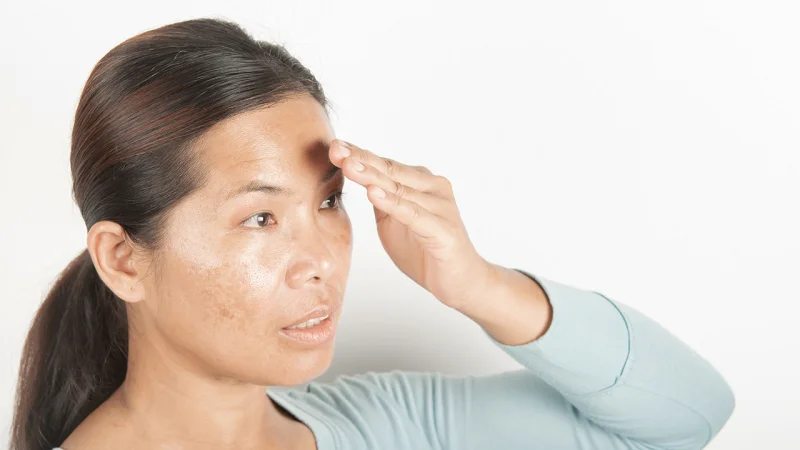
Sun spots are flat brown or dark patches that develop after repeated sun exposure over time. Dermatologists sometimes call them solar lentigines or sun-induced pigmentation.
They usually appear on areas that receive maximum sunlight:
- cheeks
- forehead
- upper lip
- nose
- neck
- hands
Unlike acne marks, sun spots don’t always fade naturally. Some actually become deeper over time, especially if sunscreen is ignored completely.
In Indian skin tones, pigmentation can also appear more noticeable because melanin activity is naturally higher. That’s why even mild tanning or inflammation can leave marks behind.
A lot of patients confuse sun spots with melasma. Some think it’s simply “skin dullness.” Others assume expensive facials will remove everything in one sitting.
Usually, it doesn’t work that way. Consult a dermatologist first to understand what kind of pigmentation you have.
>> Consult Now for a Pigmentation Diagnosis and Personalized Treatment Plan
Sun Spots Treatment in Patna – What Actually Works?
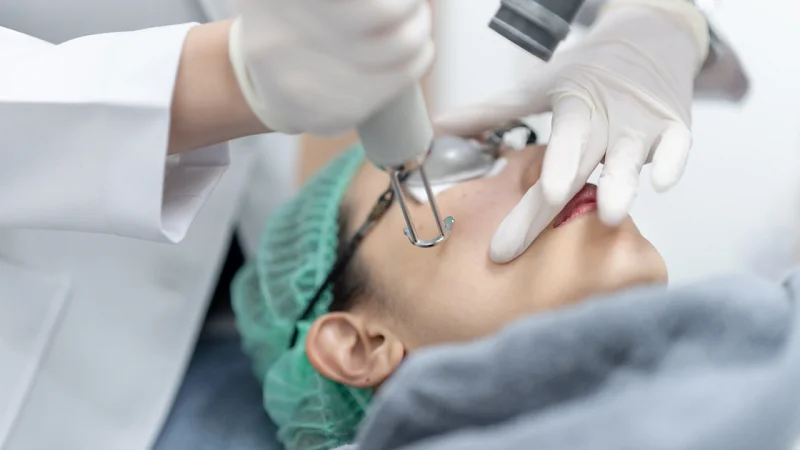
Honestly, there’s no single treatment for everyone.
At R Square Clinic, Dr. Rizwana Barkat suggests a proper treatment plan after analysing:
- skin sensitivity
- pigmentation depth
- active tanning
- acne history
- hormonal factors
- previous treatments
- lifestyle exposure
That’s why two people with “dark spots” may receive completely different advice. Here are some of the most common sun spots treatments in Patna. Most patients will get one or a mix of these treatments if the dermatologist chooses a combination treatment approach:
1. Chemical Peels
For mild pigmentation, chemical peels are often one of the first treatments dermatologists recommend.
The idea is fairly simple. Controlled exfoliation helps remove damaged upper layers and improves cell turnover gradually.
Some peels also help brighten dull skin texture overall.
People usually choose peels because:
- downtime is lower
- sessions are shorter
- recovery is manageable
- they work well for superficial pigmentation
But realistic expectations matter. A single peel session rarely transforms the skin dramatically.
The improvement is gradual.
And overly aggressive peels on Indian skin can sometimes trigger more pigmentation instead of less. That’s why experienced application matters more than just choosing a “strong” peel.
>> Consult Dr. Rizwana Barkat – Expert Pigmentation Care in Patna!
2. Q-Switch Laser Treatment
For deeper or stubborn pigmentation, Q-switch laser treatment is commonly used in cosmetic dermatology clinics.
This treatment targets excess melanin deposits under the skin.
Many patients in Patna specifically ask for lasers because they want faster improvement. Sometimes that’s possible. Sometimes it isn’t.
The outcome depends heavily on:
- skin type
- pigment depth
- post-treatment care
- sun exposure habits
Usually several sessions are needed.
NOTE: One thing people don’t always realize is that laser treatment is not just about the machine itself. Settings matter enormously.
Poorly performed laser sessions can lead to:
- burns
- redness
- rebound pigmentation
- patchiness
That’s why choosing a qualified dermatologist becomes important.
3. Pico Laser Treatment
Pico laser is becoming more popular now, especially in advanced cosmetic clinics. Compared to older laser systems, it uses shorter energy pulses and less heat.
Patients often prefer it because recovery tends to feel easier.
It may help with:
- stubborn pigmentation
- uneven skin texture
- acne marks
- mild rejuvenation
But again, no laser is magical.
Social media sometimes creates unrealistic expectations around skin procedures. Real dermatology treatments usually require patience and maintenance. Dr. Rizwana Barkat will suggest a treatment plan that can also be modified based on how your skin reacts.
4. Creams and Topical Treatments
A lot of pigmentation cases still improve with medical-grade skincare alone.
Dermatologists may prescribe combinations containing:
- azelaic acid
- kojic acid
- retinoids
- niacinamide
- vitamin C
These ingredients help regulate melanin gradually. But consistency matters more than buying expensive products randomly.
People often stop treatment too early because improvement feels slow. It’s important to understand that pigmentation treatment is usually a long game.
PEOPLE ALSO READ: Does Hydrafacial Help with Sun Spots?
Sun Spots, Melasma, or Pigmentation – Does the Treatment Differ?
This is where confusion usually starts.
People use all these words interchangeably, but dermatologists treat them differently. So, yes, treatments differ.
Sun spots are generally more localized dark patches caused by UV damage.
Melasma usually appears as larger patchy pigmentation, especially around:
- cheeks
- forehead
- upper lip
Hormonal changes often play a role here.
Freckles are smaller and more genetic in nature. Then there’s post-inflammatory pigmentation, which appears after acne, irritation, burns, waxing, or aggressive skincare treatments.
The reason diagnosis matters is simple.
A treatment helping one type of pigmentation may actually worsen another.
That’s why experienced dermatologists don’t immediately jump to lasers without examining the skin properly first.

Why Sunscreen Matters More Than Most Treatments?
This sounds repetitive, but dermatologists repeat it constantly for a reason.
Without sunscreen, pigmentation treatment becomes difficult to maintain.
Even expensive procedures won’t hold results properly if UV exposure continues daily.
And, in Patna, people often underestimate how much incidental sunlight they receive during:
- commuting
- market visits
- bike rides
- walking outdoors
- sitting near windows
That’s why a broad-spectrum sunscreen with SPF 30 or higher usually becomes part of long-term maintenance. Not temporary treatment.
READ: Can Sun Exposure Cause Moles?
How Long Does Treatment Usually Take?
This is probably the most common question patients ask.
And the honest answer is: it varies a lot.
Some mild cases improve within weeks. But deeper pigmentation may take several months.
Most dermatologists look for gradual improvement rather than overnight changes because aggressive treatment often creates more inflammation.
Usually:
- peels require multiple sittings
- lasers need sessions spaced apart
- creams work slowly over time
- sunscreen must continue daily
NOTE: There’s no permanent shortcut if sun exposure continues without protection.
Choosing the Right Skin Clinic in Patna
This part matters more than many people realize. Pigmentation treatment isn’t just about having fancy machines.
A good clinic usually focuses on:
- proper diagnosis
- conservative treatment planning
- gradual improvement
- skin barrier protection
- customized sessions
Also, experienced dermatologists usually avoid overpromising dramatic overnight results. That’s often a positive sign because real pigmentation treatment requires observation, adjustment, and follow-up.
At R Square Skin, Hair, Nail Clinic, we go by our patient’s comfort and safety at all stages of facial pigmentation treatment. Any treatment plan is only suggested after a thorough examination and understanding of the patient’s expectations.
Final Thoughts
Sun spots treatment in Patna has become far more advanced than it was a few years ago. Between chemical peels, laser technologies, dermatologist-guided skincare, and better awareness around sun protection, people now have safer and more effective options available.
But the biggest difference usually comes from realistic treatment planning. Not viral skincare hacks. Not fairness creams. And definitely not trying five different active ingredients products together after watching social media reels.
Good pigmentation treatment is usually slower, more customized, and less dramatic than online marketing makes it sound.
Still, when done properly, the improvement can be genuinely noticeable, not just in skin tone, but in overall skin quality and confidence too.



One thought on “Sun Spots Treatment in Patna – Best Solutions from Dr. Rizwana Barkat”