










As the end of summer begins in Patna, we can breathe a sigh of relief as temperatures dip. Yet, the intense tan scored during the season lingers stubbornly on most people’s faces, necks and arms.
Many people experience darker face, neck and arm compared to the rest of the body and wonder if the use of a laser can reverse the skin to its normal color.
Most people do not realize that not all dark skin is tan. While tanning of the skin is caused by UV light, different types of pigmentation can appear similar to a tan and be caused by different factors, such as sun spots.
Can the laser remove tan from the skin permanently? The answer will depend upon the root cause of the darkening skin and therefore in this blog we will explore the reason for tanning, the ability of lasers to remove pigmentation and lastly how to stop getting darker skin prior to deciding upon treatment.
What Causes Sun Tan?

As UV light penetrates the skin, it causes the skin’s melanocytes to produce more melanin and as a result the skin darkens, in an attempt to protect itself against further damage by the UV light.
It’s your skin’s way of protecting itself from the UV rays. More exposure means more melanin, which means a deeper, more stubborn tan with the risk of more severe sun damage.
A person’s natural skin tone, as well as how their skin responds to UV radiation, will determine how a person’s tan will look.
The most common contributors include:
- Prolonged sun exposure without adequate protection
- Inconsistent sunscreen application, or not reapplying it outdoors
- Long hours outdoors during peak UV hours
- Repeated exposure to UV radiation leading to uneven pigmentation over time.
It is also possible that someone’s prolonged exposure to sun could result in development of dark spots on skin instead of just a normal looking tan which may need a different approach, such as sun spots treatment in Patna.
It is imperative to understand the underlying reason for skin darkening before going for the treatment.
Can Laser Treatment Permanently Get Rid of Sun Tan?
Laser procedures may improve some pigmentation concerns; however, there is no guarantee that any laser procedure will permanently remove all tans.
With laser skin treatment in Patna ordinary tanning will typically fade gradually as the skin regenerates itself as long as additional UV exposure is minimized.
Some diagnosed pigmentation concerns such as sun spots may be treated with selected laser procedures; however, whether or not a laser procedure is right for you depends on each individual.
It’s also important to understand that a laser won’t prevent your skin from getting tanned again. Any new UV exposure can make your skin darker. Your results will be based on the underlying issue, your skin tone, the device used and how well your skin reacts.
How Does Laser Treatment Work On Tanned Skin?
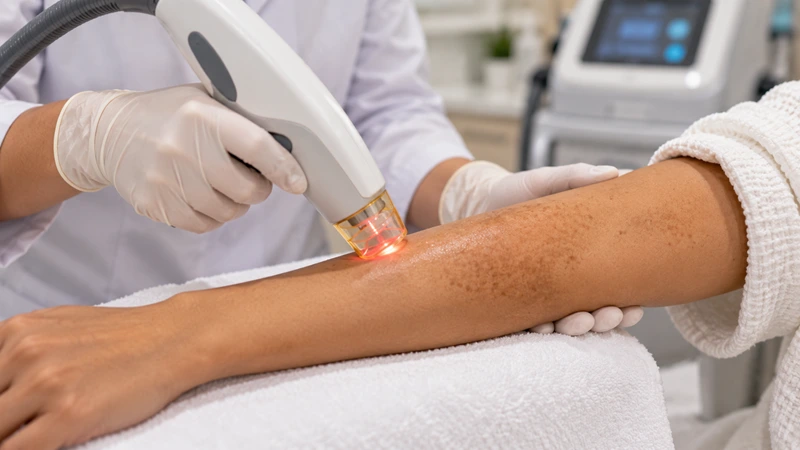
Each laser uses a different wavelength and mechanism; therefore, the selection of the laser is determined by the type of pigmentation that needs to be treated. Generally, there are several steps involved in the process, which are described below.
1. Skin Assessment Before Laser Treatment
The first step in any laser treatment is to evaluate your skin. At R Square Clinic, we assess your skin tone, the pattern and depth of the pigmentation, your past sun exposure history and any previous treatments.
This allows us to determine if you have a simple tan, sun spots or another condition. If laser treatment is not the best option for you, we will inform you and provide you with an alternative.
2. Preparing the Skin for Treatment
Before your treatment, you should take care of your skin. You can do this by using sunscreen, not using things that irritate your skin, and treating any problems with your skin first.
If your skin is recently tanned or burned from the sun, you may have to wait. When you put too much stress on your skin before treatment, there is a higher chance of having side effects.Therefore, waiting a little bit can help make sure the results are as safe as possible.
3. How Laser Energy Affects Excess Melanin
Certain lasers send out a beam of light energy that is absorbed by the melanin in the area of pigment you want to get rid of. After the laser sends out the light energy, it breaks down the pigment into small pieces.
These pieces are then slowly removed from your body over time. The laser is set up based on both your skin type and what you are trying to treat. Since every person has different skin types and concerns, the laser is never used exactly the same way on two people.
4. The Skin’s Response After Laser Exposure
It is normal for the skin to look pinkish or feel warm and sensitive after a laser treatment, with darker spots becoming more noticeable before peeling and flaking.
Every person’s skin reacts differently and it is advised to contact a qualified dermatologist immediately if they experience any unusual side effects.
>> Book a consultation at R Square Clinic for guidance on managing unexpected side effects.

Is Laser Treatment Suitable for Sun-Tanned Indian Skin?
Laser treatments can be offered for specific problems in Indian skin, but each case would need to be assessed in relation to suitability.
Several factors, including skin type and tone, the degree of recent tanning, the type of pigmentation and the laser and its settings, can influence the likelihood of unwanted side effects.
It is also possible that the dermatologist may recommend a different treatment for deep seated pigmentation such as treatment for facial pigmentation in Patna.
Some side effects of laser skin treatments can persist for a long time and may even lead to other skin problems like post-inflammatory hyperpigmentation, where the area of the skin can darken and is more common in darker skin types and caused by improper treatment or settings.
Some side effects of laser treatments are redness, swelling, skin irritation and other changes in pigmentation. Most lasers are not 100% safe for all skin types and it is best to choose a treatment carefully as some treatments are more suited to certain Indian skin types than others.
How Can You Prevent Sun Tan From Returning?
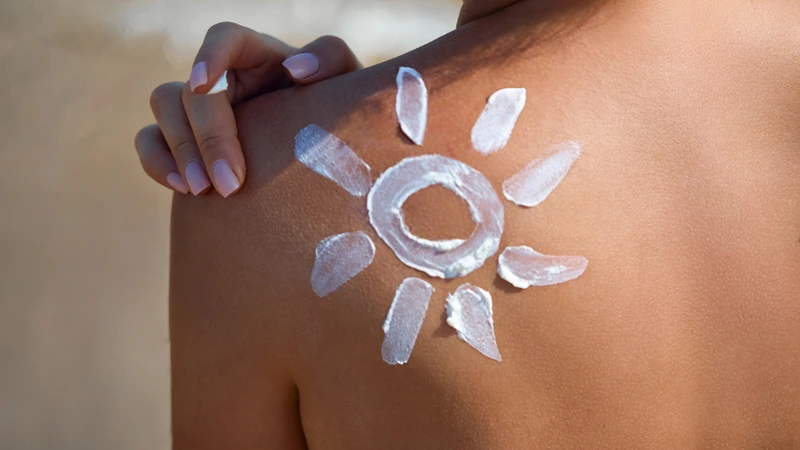
Even though the pigmentation of your skin may improve, UV radiation can cause your skin to become darker again; therefore, sun protection is important both during and after any treatment plan.
Apply a broad spectrum sunscreen with SPF 30 or higher, apply enough sunscreen to completely cover all exposed areas of your body, and reapply approximately every two hours while you are outside, as well as after swimming or sweating.
Hats, clothing that provides protection from the sun, and seeking shade are additional ways to provide protection. These simple habits are especially beneficial during the summer months when knowing how to take care of your skin during the summer can significantly reduce the amount of damage that occurs to your skin from the sun.
Remember that sunscreen will help to prevent future UV damage, however it will not immediately eliminate an existing tan.
While it cannot be guaranteed that tanning or pigmentation will never occur again even with proper habits, consistently using sun protection will significantly decrease the chances of this occurring.
👉 Consult a dermatologist for expert guidance on preventing tan from returning.
When Should You Consult a Dermatologist in Patna?
It would be helpful to see a professional for advice if you have persistent dark spots, uneven pigmentation that continues to get worse, or if you are unsure if your concern is simply a tan.
It would also be wise to see a dermatologist if a previous treatment caused irritation to your skin. A proper diagnosis should always be made prior to selecting a treatment option. Based upon the cause, a dermatologist may suggest sun protection, a topical treatment, a procedure, or a combination of these.
At R Square Skin, Hair & Nail Clinic, we examine each patient’s skin individually, discuss realistic expectations, and develop a treatment plan based upon each patient’s needs.
Consulting a skin doctor in Phulwari Sharif can assist you in understanding the reason why your skin has darkened and determine what treatment options are available.
FAQs
1. Will laser treatments get rid of my sun tan?
Your ordinary tan will likely go away if you limit yourself from additional UV exposure; however, no guarantee exists that it will completely eliminate them.
2. Will I get another tan after having laser treatment?
Yes. You can still develop new tanning due to further UV exposure even though the previous pigmentation was reduced.
3. Is laser treatment safe for recently tanned skin?
Tanned or sunburned skin is at higher risk for side effects. A dermatologist will assess your skin and determine if you need to wait to receive treatment.
4. Is laser treatment better than creams for sun tan?
It depends on what caused the discoloration. Sunscreen, topicals and certain procedures all have a place in specific circumstances.
5. Can I go in the sun 5 days after laser?
You should avoid direct sun exposure 5 days after a laser treatment, as your skin is still sensitive and vulnerable to damage.
The Right Approach to Sun Tan Removal
Laser treatment may improve selected pigmentation concerns, but permanent removal of every tan can’t be guaranteed. What matters most is finding the cause of the discolouration, assessing your skin type and sticking with sun protection.
Remember, a tan that fades on its own needs a very different approach from pigmentation that stays put. Getting that distinction right early saves you time, money and unnecessary irritation to your skin.
If your tan or pigmentation just won’t fade, visit R Square Clinic for a professional skin assessment and personalised treatment advice.


