


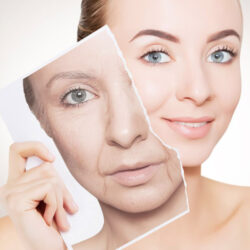



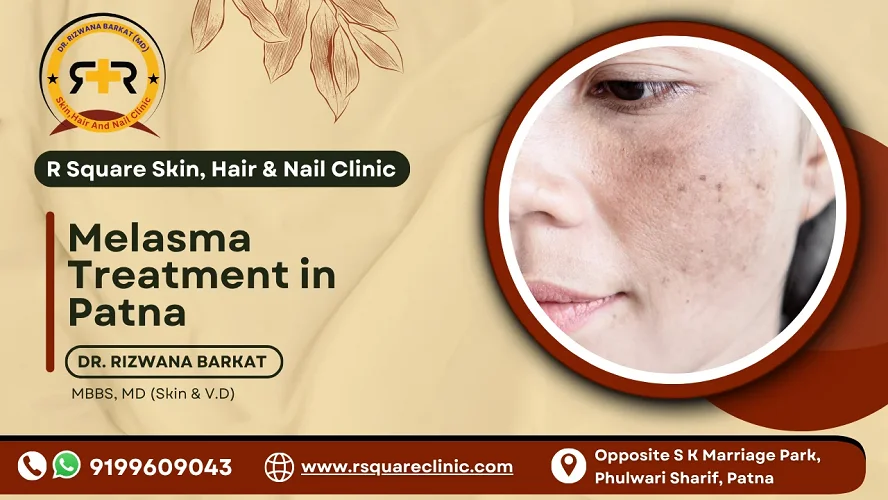
Melasma has a tendency to create symmetrical patches on either side of the face or other parts of the skin as they darken due to an increase in the amount of melanin that each melanocyte produces.
Individuals with darker skin types and who reside in areas like Patna where there are high levels of UV radiation are also more likely to experience melasma. Due to this, Patnaites often have difficulty coping with this challenging condition because of its extreme heat and high levels of UV radiation.
The good news is you don’t have to live with melasma!
While melasma isn’t harmful, it can be treated with professional treatment if you want to restore your facial clarity and prevent further damage.
Dr. Rizwana Barkat at R Square Skin, Hair & Nail Clinic provides expert care for all forms of pigmentation. Because she uses evidence based protocols, Dr. Barkat is able to tailor your treatment plan to fit your specific skin type and pigmentation level.
With the right approach and the right guidance, you too can achieve noticeable improvements in treating melasma.
Explore: Hyperpigmentation Treatment in Patna
Melasma Treatment in Patna

Dr. Rizwana Barkat (MBBS, MD), equipped with her years of experience in treating pigmentation issues, brings personal attention to every patient.
For example, to evaluate just how deep the pigmentation sits within your skin, Dr. Rizwana Barkat utilizes both clinical evaluation and diagnostic tools to assess your skin.
After assessing the pigmentation depth, she develops a customized treatment plan designed specifically to meet your individual needs based upon your skin type.
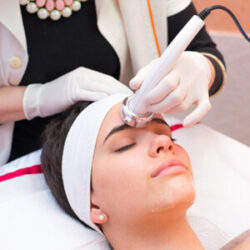
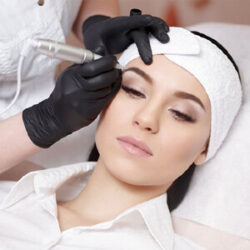
In terms of melasma treatment available in Patna, you can be prescribed creams, peels, or laser therapy. The dermatologist can also use a combination of therapies depending on the nature and severity of your condition.
NOTE: Professional treatment is different from over-the-counter options.
A dermatologist is trained to determine exactly how deeply your pigmentation exists by utilizing diagnostic equipment.
Once they know how deep your pigmentation exists, they are better equipped to decide which treatments would most effectively treat your condition and prevent recurrence.
✅ Consult Dr. Rizwana Barkat → Book Your Appointment Today
Personalized Medical Treatment
The primary treatment methods for melasma are prescription medical grade topical creams. The prescribed creams contain hydroquinone (the gold standard), tretinoin, and corticosteroid that block melanin synthesis and help the cells shed quicker.
Most people see some level of improvement within 8 to 12 weeks. Ongoing maintenance is crucial due to the fact that most patients will need to continue applying their products 2 to 3 times per week to maintain the clearing and prevent recurrences.
Dr. Rizwana Barkat uses her knowledge of how each individual skin reacts to create a personalized regimen for you that balances the effectiveness of the product with its tolerability for long term results.
Think about these topical creams as an additional protective barrier for your skin. These creams don’t just treat what’s already present; they also prevent future melasma formation.
Chemical Peels for Melasma
Chemical peels utilizing glycolic acid, salicylic acid, and lactic acid will peel away the top layer of the skin where all the pigment resides.
The ideal candidates for chemical peels for melasma have epidermal melasma and will notice significant reduction in pigment through multiple peels (typically 4-6 peels spaced every 2-3 weeks).
In addition to the pigment reductions, peels improve texture and radiant appearance. Peels are very effective when used in conjunction with topical cream applications.
Regularly scheduled maintenance peels are recommended to help prolong the benefits achieved from chemical peels and minimize the chances of pigmentation returning.
A key benefit of using chemical peels is their ability to provide quick results compared to topical creams.
Creams typically take several weeks to begin producing visible results while chemical peels can visibly lighten areas affected by melasma much faster by eliminating the pigmented layer.
However, chemical peels are most successful when used in combination with your daily topical routines.
Laser Toning for Resistant Melasma
Laser toning utilizes Q-switched Nd: YAG lasers that target melanin in both epidermal and dermal layers. When topical creams fail to reduce resistant melasma (which is defined as persistent pigmentation after months of consistent use of topical therapies), laser toning has proven to be a viable solution. Downtime associated with this procedure is minimal.
Temporary redness and darkening may occur. It is imperative that laser toning procedures are supervised by a dermatologist in order to avoid worsening or developing post-inflammatory hyperpigmentation.
Dr. Rizwana Barkat, the top dermatologist in Patna, customizes laser parameters for your specific skin type to ensure safe application.
When topical treatments are unable to produce desired results laser toning provides an alternative method for addressing resistant melasma.
Lasers penetrate into deeper pigmentation than what topical treatments can access and are therefore a superior option when addressing deep-seated melasma.
NOTE: Due to the potential risks involved if improperly applied, it is essential that laser toning be performed under the guidance of a qualified practitioner such as Dr. Rizwana Barkat who understands proper technique and parameter setting for each patient’s unique skin characteristics.

Combination Treatment Approaches
Using single modality methods has usually proven ineffective for achieving sustained results for individuals suffering from melasma.
Combination therapy which includes prescription creams, peels and laser toning provides an effective way to target the pigmentation problem from multiple approaches.
When creating combination treatment programs, topical treatments should be used as the first line of treatment; peeling agents introduced into the program at 4-6 weeks post-topical treatment; and laser toning at 2-3 months.
When getting melasma treatment in the clinic, patients treated using a combination approach have reported better improvements than those receiving only topical treatments.
So why does combination treatment work better than individual treatment?
Melasma exists in the upper layers of the dermis; in the epidermal layer; and in the surface layer of the skin. Treating melasma through a multi-dimensional approach enables providers to treat all aspects of melasma simultaneously.
👉 Learn more about anti-pigmentation treatment options at R Square Clinic.
Can Melasma Be Permanently Removed?
While treating melasma may result in significant reduction in appearance or near complete clearing of melasma; permanent removal of melasma cannot occur unless continued preventive measures are taken.
Melasma is influenced by both genetics and environmental factors such as sun exposure. Since these influences remain present in an individual’s skin after successful treatment of melasma, without continuous preventative care, recurrence of melasma is common.
Many patients are able to maintain their skin clear of melasma through:
- consistent application of SPF 50+ sunscreen,
- regular dermatological checkups,
- and periodic maintenance treatments.
Most patients require additional maintenance therapy to prevent relapse of their symptoms. Patients have achieved long term stability in their skin after completing an intensive treatment protocol followed by a strategically designed maintenance protocol to protect results.
The bottom line: if you do nothing to protect your skin after being treated for melasma, it will return. If you continue to protect your skin from the environmental factors, you will control the appearance of melasma patches forever.
How Is Melasma Different from Other Types of Pigmentation?
Melasma exhibits characteristics that differ from other forms of hyperpigmentation in terms of its presentation.
Specifically, while hyperpigmentation is defined as any increase in skin pigmentation due to increased melanin production (sun damage, inflammatory conditions), melasma specifically presents as bilateral and symmetrical.
Additionally, melanocytic lesions associated with hyperpigmentation can appear anywhere on the body, including areas where there is no direct exposure to sunlight, while the characteristic locations for melasma include the center of the face (cheekbones, nose) as well as the forehead.
Lastly, freckles is a genetically inherited trait that manifests as small, discrete areas of hyperpigmentation. Conversely, melasma is characterized by large areas of pigmented skin.
Finally, hyperpigmentation caused by age spots is primarily a result of cumulative exposure to ultraviolet radiation causing localized damage.
In contrast, melasma is the result of a multitude of factors, including hormonal changes, cumulative UV exposure and genetic predisposition. And melasma can also contribute to dark circles under the eyes.
Therefore, understanding these differences allows dermatologists to select appropriate therapeutic options as well as develop realistic patient expectations.
Why does this matter? The simple fact is that treatments used for hyperpigmentation like age spots may not work for melasma. Furthermore, treatments that work for one person’s case of melasma may not work for another based on how deeply the pigment resides in the skin.
For proper evaluation for determining the depth of the pigmentation for proper treatment, you would need the assistance of a qualified and experienced dermatologist.
→ Consult Dr. Rizwana Barkat Today!
Dermatological Diagnosis of Melasma
The initial process of receiving a proper diagnosis is the foundation upon which an effective course of treatment will be based.
The diagnostic process includes not only identifying that you are experiencing melasma but also determining where in the layers of the skin that the pigmentation has developed.
Once this determination is made, all subsequent aspects of your treatment plan will depend on this identification.
Clinical Exam
Melasma generally presents itself in the form of irregularly shaped patches located in sun exposed areas, usually symmetrically distributed.
Your clinical examination by the dermatologist along with your medical history can provide a considerable amount of information regarding your diagnosis.
Specifically, the dermatologist will ask questions about the time frame during which you began noticing your condition; what exacerbates it; and if there have been any significant hormonal fluctuations.
Wood’s Lamp Assessment
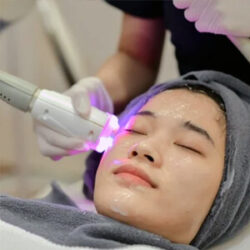
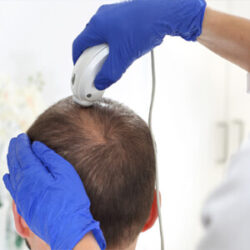
The application of a Wood’s lamp is another tool used by dermatologists to assess the depth of melanin deposits in the skin.
By applying filtered ultraviolet light to the area affected by melasma, it causes the melanin deposits to become easily visible.
The results of the Wood’s lamp assessment will indicate whether the melanin lies within the epidermal layer of the skin or deeper into the dermal layer.
As such, it guides your dermatologist’s decision making process regarding which type of treatments should be utilized.
Melanin located in the epidermis may respond favorably to topical creams and chemical peels whereas melanin that resides in the dermal layer of the skin may require laser therapy as well as other types of treatment for removal. As such, the Wood’s lamp assessment can significantly alter how your entire treatment plan is developed.
Pigment Depth Evaluation
Determining which layer(s) of the skin contains the melanin deposits; i.e., the epidermis, dermis or both, is critical to developing an appropriate treatment plan for melasma treatment on face.
Melanin residing in the dermal layer of the skin is considered a more difficult case for treatment and may necessitate a combination of therapies for successful removal.
In cases where most of the melanin is located in the dermal layer, laser therapy may need to be combined with topical support for optimal results.
Consequently, Dr. Rizwana Barkat considers facial pigmentation treatment to be a multi-faceted approach as opposed to simply treating one aspect of the problem.
Why Choose R Square Skin, Hair & Nail Clinic for Melasma Treatment in Patna?
The level of clinical sophistication Dr. Rizwana Barkat applies to each treatment is second-to-none. She has clinical experience treating all types of pigmentary disorders as well as an emphasis on applying her extensive knowledge directly to your specific case.
All of our procedures follow internationally-recognized and evidence-based guidelines, not “trends” or “guesses.”
We also offer customized treatment options based upon your skin type. What may be effective for one person may not be as effective for another person.
That’s why as the top dermatologist in Patna, Dr. Rizwana Barkat provides you with all of the options available including prescription-strength topical creams, chemical peels, laser toning, and combinations of multiple treatment methods.
What distinguishes us from other clinics is evidence-based treatment that relies on scientific research rather than marketing gimmicks.
We employ the use of advanced pigmentation treatments with laser technology that’s recognized worldwide. Not to mention, Dr. Rizwana Barkat provides a patient-centered approach where she will listen to your concerns.
A thorough evaluation will occur prior to developing a treatment plan, thus there will be no rush to start treatment. You’re getting a plan designed specifically for you.

Frequently Asked Questions
Following are some of the most commonly asked questions our patients have regarding melasma pigmentation and how they can get rid of it. Here are some of the queries answered to help you set clear expectations.
1. Which treatment is the best for melasma?
The best treatment depends on pigmentation depth and skin type. Combination approaches (topical plus peels plus lasers) yield superior results for most patients.
2. How much does it cost to treat melasma?
Melasma treatment costs in Patna vary from ₹5,000 to ₹50,000 and beyond depending on which modalities you need. Book a consultation for a personalized quote based on your specific situation.
3. Is melasma 100% curable?
Melasma can be significantly lightened but rarely achieves 100% permanent cure. Ongoing prevention and maintenance therapy sustain results long-term and prevent hyperpigmentation getting worse.
4. How to permanently remove melasma?
Permanent removal is unlikely, but consistent sunscreen use (SPF 50+), maintenance treatments, and professional follow-ups can keep melasma suppressed indefinitely.
5. What is the root cause of melasma?
Melasma results from a combination of genetic predisposition, UV exposure, hormonal changes, and skin inflammation. Multiple factors typically trigger the condition.
6. What are the first signs of melasma?
Early melasma appears as small, symmetric brownish patches on the cheeks, nose, forehead, or upper lip. Patches gradually expand and darken over months.
7. Why is melasma so difficult to treat?
Melasma is challenging because pigmentation often sits deep in the dermis, involves overactive melanocytes, and recurs easily with sun exposure or hormonal shifts.
8. Can kojic soap remove melasma?
Kojic soap provides mild depigmenting benefit but lacks the potency of prescription treatments. It works best as a complementary product alongside professional melasma treatment in clinic.
9. Can laser therapy remove melasma?
Laser therapy (Q-switched Nd:YAG) effectively treats resistant melasma, particularly dermal pigmentation, though results require maintenance and careful post-treatment sun protection.
10. How many sessions to remove melasma?
Most melasma requires 4-8 laser sessions spaced 2-4 weeks apart. Topical treatments need 8-12 weeks. Results depend on individual response and pigmentation depth.
Get Rid of Melasma Patches
Melasma treatment in Patna involves professional expertise, patience, and ongoing commitment to preventing any recurrence. Many patients fear melasma will never go away.
However, new treatments combining creams and topicals prescribed by the dermatologist, as well as laser toning, can lead to noticeable improvements for most patients.
The most important factor will be to select an evidence-based treatment plan that you adhere to while continuing to protect yourself from the damaging effects of the sun after treatment.
At R Square Skin, Hair & Nail Clinic, Dr. Rizwana Barkat offers individualized melasma treatment plans, which involve treating the specific skin area affected by melasma based on your skin type and severity of the condition. So, don’t allow melasma to dictate what your skin’s future holds and book your consultation today.


One thought on “Melasma Treatment in Patna – Dermatologist-Approved Solutions”