

If you have dark spots that seem to have become more obvious during the winter, you are not alone. So, does cold weather cause hyperpigmentation? Well, not directly.
The winter, however, causes environmental conditions that make the existing pigmentation even more visible and difficult to fade.
These dry months bring not only less humid air but also creates unique challenges for the skin including the behavioral changes in the use of sun protection, all of which makes things difficult for people with melasma, acne scars/marks, or simply uneven skin tone.
The first step to remedy this is to know the reason for hyperpigmentation in winter months so that you can protect your skin during Patna’s dry weather conditions of December and January.
Why Does Hyperpigmentation Get Worse in Winter? 8 Causes
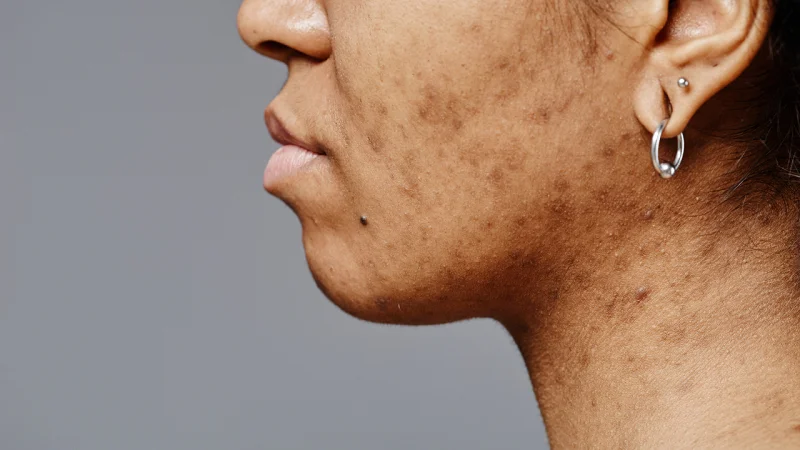
Winter is the time that not only alters how your skin feels but also how it behaves and reacts to external stimuli.
At the same time, a few factors are responsible for the skin’s condition in colder months; they make pigmentation more difficult to fade and sometimes even more visible. The blog elaborates the science behind every factor involved.
1. Slower Skin Cell Turnover & Accumulation of Pigmented Dead Cells
The body’s metabolic processes including skin cell renewal is hindered by the cold temperatures. The epidermis takes longer to get rid of pigmented dead cells as fast as usual, therefore that makes them accumulate on the surface.
This accumulation makes the dark spots look more defined and therefore more obvious. Skin’s natural exfoliation, which is a major factor of pigmentation fading, also gets sluggish.
The outcome? Hyperpigmentation in winter appears as if it has even deeper roots because the melanin-rich cells are not getting replaced fast.
2. Subtle Inflammation from Winter-Induced Barrier Damage
Why does skin get worse in winter? Your skin barrier weakens due to cold air and low humidity. The weakened barrier is now more vulnerable to invaders as the irritants penetrate easily and inflammation is triggered at microscopic level.
You might not see redness, however, the inflammation that is occurring at a very low level is still enough to cause the activation of melanocytes—the pigment-producing cells. Post-inflammatory hyperpigmentation (PIH) develops or aggravates as the skin is getting its defense mode on.
It’s common to witness patients with barrier damage showing increased sensitivity to pigmentation to certain products that they normally have used in summer without any problems.
3. Indoor/Window UVA & Artificial Light Exposure
Sun rays during the winter time give the impression of being weaker in intensity, but, in fact, this is only the visible light rays that weaken, while the UVA rays remain constant and are basically all year round.
They can penetrate through the clouds and the window glasses as well and get to your skin even when you are inside.
As a matter of fact, UVA radiation is the number one reason for melasma formation and deepening of pigmentation. If you sit near windows or under artificial light for long hours, you will get a continuous low-level exposure that stimulates melanin production.
So, this could explain why your hyperpigmentation is getting worse despite staying indoors? This UV damage is mostly responsible for winter pigmentation that persists.
4. Seasonal Behavioural Change
Though the winter sunlight is still strong, especially UV-A, which doesn’t diminish significantly in the cold months, people reduce sunscreen usage in winter, thinking that the mild sun is less harmful. This shift in behaviour is the reason why there is more UV damage that is unnoticed.
Most probably, you will not reapply the product as often as needed or you will choose low SPF products. At the same time, the snow or light-coloured buildings which reflect the sun can raise UV exposure by as much as 80%.
These unprotected moments accumulate and thus pigmentation gets worse little by little during the whole season.
5. Contrast Effect: Loss of Summer Tan Makes Pigmented Areas Stand Out
When your overall skin tone becomes lighter after summer, the difference between the normal skin and the hyperpigmented skin seems more contrasting.
So, the dark spots haven’t necessarily darkened—they are just more visible against the lighter colour of the surrounding skin.
This is an optical effect which makes pigmentation look as if it is more severe than it actually is. The psychological effect is quite strong, though, and a lot of patients decide to get treatment in the winter period only because they feel that their spots have become too obvious.
6. Reduced Hydration + Altered Lipid Production Leading to Uneven Light Reflection
The skin that is deprived of hydration has an irregular surface texture that scatters light unevenly. The skin which is properly hydrated reflects light evenly thereby making pigmentation less visible.
During the winter, the lesser water content and the changed sebum production give rise to the rough, dull surface of the skin.
The uneven surface texture lets the dark spots cast shadows and thus, their prominence is increased. Dry skin pigmentation looks worse not because melanin production has gone up, but in fact, the optical properties of the skin have changed. Proper hydration can do a lot in terms of how pigmentation looks.
7. Winter-Specific External Irritants
Indoor heating devices reduce the moisture in the air, which results in very low humidity levels, i.e., 10-15%. Along with this, winter in Patna brings more dust and pollutants that settle on the skin and cause irritation.
These irritants penetrate into the skin and thus trigger inflammatory responses that worsen pigmentation that’s already present.
Many of our local patients wonder does cold climate makes skin darker, but the fact is that the cold does not directly cause this, but the accompanying factors such as dry air, pollution, and allergens create an environment where pigmentation thrives.
Note that central heating, room heaters, and wood smoke are some of the things that can contribute to barrier damage.
8. Winter Skincare Mistakes / Overcompensating
In a desperate attempt to get rid of skin dryness, some people start using heavy, occlusive products or exfoliate their face excessively to get rid of dead skin. Neither of the methods works; rather both of them backfire.
Over-exfoliation harms the skin barrier, causing inflammation and rebound pigmentation. Through the use of heavy products, one can also “trap” the dead cells on the skin and thus prevent normal cell turnover.
Some people, at the same time, introduce too many active ingredients in their skincare routine, overwhelming already fragile winter skin. In most cases, why pigmentation increases in winter comes down to well-intentioned but misunderstood product usage.
The main thing is to keep a balance—your skin should be supported, not assaulted with too many products.
Consulting a dermatologist can help you here as they can suggest customized skincare products suitable for your skin. You can use the suggested products throughout the winter months to avoid damage and protect the skin barrier.
These eight reasons combine together to create a challenging environment where fading dark spots becomes difficult. Knowing and understanding them helps you to strategize more efficiently when creating a winter skincare routine.
Winter & Skin Barrier — The Hidden Hyperpigmentation Trigger
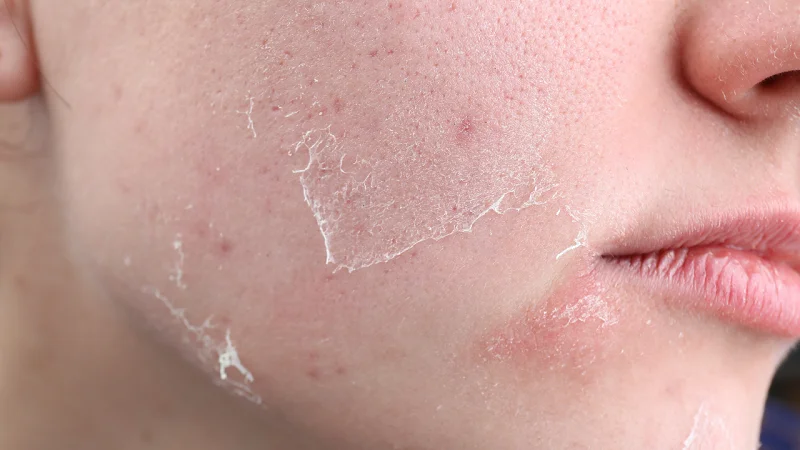
The skin barrier is the basic structure that controls pigmentation without you realizing it. Compare it to a brick wall—lipids are the mortar, and skin cells are the bricks.
After winter air has lowered the humidity to below 30%, this wall begins to crack. Skin is left to dry from the inside as the water from the deeper skin layers escapes faster than it is being replenished. Such dehydration not only causes flaking but also starts a chain of inflammatory signals.
Very low humidity levels lead to dehydration of the skin that, in turn, causes inflammation and thus, pigmentation becomes more noticeable and lasts longer.
Besides that, barrier damaged skin can cause an increase in PIH from even small irritations, i.e., a minor scratch, friction from a scarf, or reaction to a product can result in a dark mark that stays for months.
The best way to get rid of dark skin in winter is to prioritize the skin barrier above all else. Maintaining a healthy skin barrier is much more important to resist pigmentation than using a brightening serum.
With the local climates facing temperature changes between cold mornings and warmer afternoons, your skin barrier is constantly being tested. So, you cannot afford to ignore skin barrier protection. Understanding this relationship between the skin barrier and pigmentation changes how you view winter skincare.
However, it’s difficult to get rid of persistent pigmentation once it develops, and most people end up seeking dermatological treatment options.
For those with ongoing pigmentation problems during winter, we offer specialized treatment options with detailed aftercare guidance to maintain blemish-free skin all year round.
6 Winter-Friendly Dermatologist Treatments for Hyperpigmentation
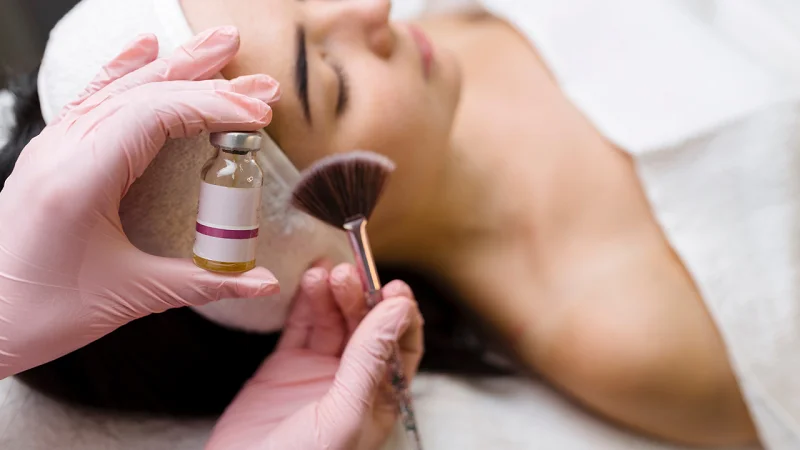
Some professional treatments have the potential to show very impressive results if performed during winter months when your sun exposure naturally reduces due to staying indoors.
This cooler weather is an excellent window of opportunity for procedures that can make your skin more photosensitive.
1. Chemical Peels
Chemical peels are entirely safe and effective during winter months because of less sun exposure, thus it is also the most favored time for getting these procedures done. These precisely controlled acid applications not only cleanse the skin of pigmented layers but also encourage fresh cell generation.
Glycolic acid goes down the skin layers for deep pigmentation, whereas lactic acid provides milder skin exfoliation. Salicylic acid is most suitable for acne marks and yellow peel is a combination of multiple agents for melasma.
The low UV exposure during the winter season renders winter hyperpigmentation very responsive to treatment because this also reduces the chance of rebound darkening. Most people have to undergo 4-6 treatment sessions with intervals of 2-3 weeks to obtain the desired outcome.
2. Laser Toning / Q-Switched Laser
Among all, Q-Switched laser is one of the most advanced treatment methods for the treatment of deep pigmentation as they directly target the melanin without harming the surrounding tissue. It is better to go for a Q Switched laser treatment in Patna during winter as there is less UV exposure, and the risk of post-treatment darkening is minimal.
The laser causes the melanin deposits to break down into tiny particles, which are then removed by the body’s immune system. A number of treatments can slowly but surely lighten even the most stubborn melasma and sunspots.
Usually, the patients get to notice the results after 4-6 treatment sessions. It is a quick, fairly comfortable procedure, and barely any time off is needed—thus it can be easily incorporated into a hectic schedule.
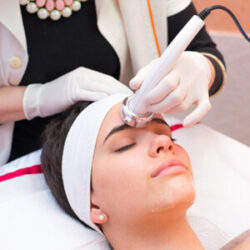
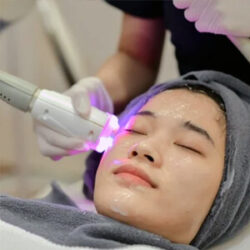
3. Medifacials / Hydrafacial for Brightening
These medical-grade facials are not only capable of restoring lost moisture but also improve dullness and uneven tone. Hydrafacials utilize vacuum technology to thoroughly deep-clean the pores and deliver the brightening serums directly into the skin.
They work by lightening the areas of the skin affected by dark patches through very mild exfoliation while providing the skin with the necessary hydration.
In fact, winter skincare for pigmentation must also consist of regular medifacials that will help to alleviate the skin dryness problem caused by the cold weather.
These procedures are gentle enough for frequent, monthly sessions and provide instant radiance. They are perfect as maintenance therapy in between more intensive treatments such as peels or lasers.
4. PRP Therapy
Through Platelet-rich Plasma (PRP) therapy, your body’s own healing factors are used to address pigmentation. Your blood is processed to concentrate growth factors, which are then injected or applied topically after microneedling.
PRP encourages collagen synthesis and thus helps in the healing of dark spots as it induces skin cell regeneration. The treatment is very effective, in particular, on acne scars and post-inflammatory pigmentation.
Dermatologist pigmentation tips often include PRP as one of the main elements as part of a comprehensive treatment plan, as it targets pigmentation at a cellular level. The outcome becomes visible over 2-3 months as your skin rebuilds itself.
5. Microneedling (For Acne Marks & PIH)
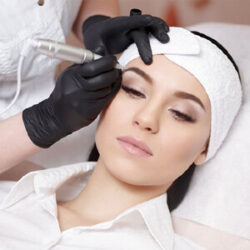
Microneedling creates controlled injuries in the skin, which lead to collagen remodeling as well as deeper absorption of brightening serums.
The treatment is very effective in the elimination of acne marks and PIH as it not only breaks up the scar tissue but also facilitates an even skin texture.
In addition, the small channels created by the use of the sterile needles serve as doorways for the active ingredients to come into contact with the dermal layer, which is the origin of pigmentation.
Note that microneedling is among the top choices that we offer for pigmentation treatment in Patna as we have specialized devices and we use Morpheus8 for the procedures which is an advanced tool for superior results.
The combination of microneedling with the use of vitamin C or tranexamic acid application is common for enhanced results. Less exposure to UV during the winter season makes it a perfect period for the procedure as fresh skin heals with less risk of darkening.
6. Dermatologist-Prescribed Topicals
Professional-strength topicals are the basis of any treatment plan aimed at pigmentation. The main function of Vitamin C (L-ascorbic acid) is to inhibit melanin production along with its antioxidant properties.
Kojic acid inhibits the activity of tyrosinase, which is the enzyme that plays a key role in melanin synthesis. The mechanism of action of tranexamic acid in reducing pigmentation is by interrupting melanocyte activation pathways.
Azelaic acid does not only brighten the skin but also has anti-inflammatory benefits. Retinoids, on the one hand, speed up cell turnover but it is advised to use milder formulations of retinoids during winter to avoid excessive irritation.
The active ingredients work synergistically when you are prescribed the right combinations and the correct concentrations for your skin type and pigmentation level.
An individual can only achieve so much with home care, and professional treatments are the ones that really bring the desired results.
The most effective strategy is to implement the daily skincare routine (as recommended by the dermatologist) while having in-office procedures done. There are other steps as well that you can take to prevent hyperpigmentation during winters.

Winter Skincare Routine to Prevent Hyperpigmentation
Daily habits have a major impact on your skin. Developing a winter skin care routine not only keeps your progress but also prevents you from developing new pigmentations.
1. Moisturize Strategically
Invest in ceramides, hyaluronic acid, and glycerin containing moisturizers. These are the ingredients which repair the barrier and attract water to the skin. Put them on in layers: light hydrating toner, serum, and then cream.
Do not use heavy petroleum-based products that clog your pores unless you are very dry skinned. Your moisturizer should not feel very heavy.
Put it on within three minutes of washing your face while the skin is still slightly damp to get the maximum hydration locked in.
2. Don’t Skip Sunscreen (Even Indoors)
Daily use of SPF 30-50 sunscreen is absolutely necessary every day whether you are going out on a sunny or cloudy day or planning to stay indoors. If you are going to be outside for more than two hours, reapply.
Pick hydrating sunscreens made for winter use—those with hyaluronic acid or glycerin will prevent the tightness and dryness that some sunscreens cause.
Chemical sunscreens work by absorbing UV rays, meanwhile, physical ones reflect them; however, you can decide based on your preference and skin sensitivity.
3. Avoid Long Hot Showers & Harsh Cleansers
Washing in hot water removes the skin’s natural oils thereby your skin barrier which you have to protect gets weakened. Make sure you use lukewarm water and take short showers.
Go for gentle, pH-balanced cleansers that do not produce much foam—because most of the products that have a high lather contain harsh sulfates.
After washing, your face should not feel tight or squeaky. That stripped feeling is actually damaging to your skin barrier. The easiest way to avoid skin darkening in winter naturally is to be gentle with your skin while cleansing.
4. Protect From Friction
Friction caused by rough scarves, towels, or pillowcases can not only irritate your skin but also result in PIH, especially when your skin barrier is weak.
For the textiles that come in contact with your face, go for smooth and soft fabric like silk or satin. Do not rub or scrub your face when you are drying it—pat gently instead.
Even slight friction can stimulate melanocytes in sensitive areas, thus resulting in new dark spots that you will have to spend months trying to fade.
5. Add Antioxidants & Brightening Serums
In the morning, a vitamin C serum acts as a shield against UV and environmental damage and at the same time, it brightens the skin. Niacinamide soothes inflammation and also reduces pigment transfer within the skin cells. Tranexamic acid is the one that inhibits melanin production.
For nighttime, use mild retinoids (only after the dermatologist’s approval) to facilitate cell turnover—begin with 0.025% or 0.3% and increase slowly.
The use of actives is often a part of hyperpigmentation winter care; however, you should introduce the actives gradually so as not to overwhelm your already winter-sensitive skin.
These five steps make up an entire regimen that not only prevents but also treats. Being consistent is more important than being perfect when trying to come up with a winter skincare routine to prevent pigmentation and darkening.
When to See a Dermatologist for Winter-Induced Pigmentation?
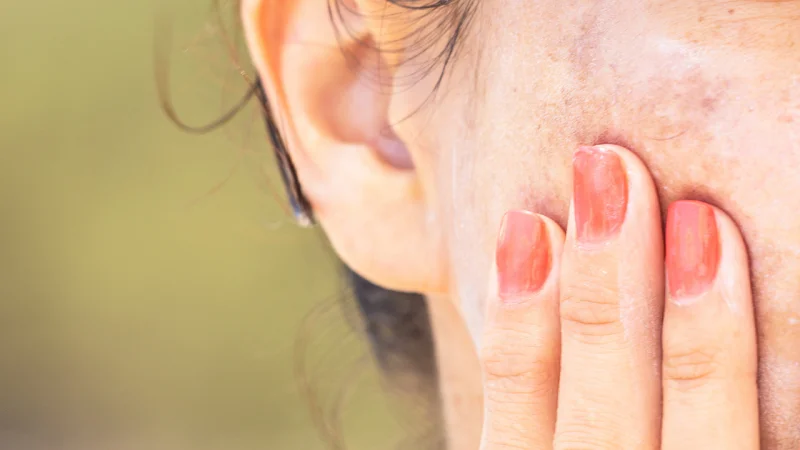
There are some pigmentation changes that can only be handled by a professional and not through home care. It might be beneficial to consult a dermatologist if you see any of these warning signs:
1. If pigmentation worsens despite consistent skincare
After a diligent routine of sun protection, moisturizing, and applying brightening serums for 6-8 weeks, if you still see no effects, then it is time to get a professional check-up.
The cause of the problem may be quite deep and require a doctor’s prescription or in-office treatment.
2. If melasma spreads or deepens
Melasma in winter that spreads to other areas or becomes significantly darker is a sign that hormonal or internal factors are behind it, and that you cannot just treat with topicals. Medical-grade treatments and hormonal evaluation may be needed.
3. If acne marks keep increasing
If new post-inflammatory hyperpigmentation continues to appear during the winter season even when you have treated active acne, it means that the inflammation underneath needs medical intervention.
4. If winter dryness leads to irritation, redness, or peeling
Severe barrier damage that is the main cause of persistent irritation may also lead to secondary pigmentation which, without intervention, becomes permanent. Dark spots in the winter season often come from untreated chronic irritation.
As the best dermatologist in Patna, Dr. Rizwana Barkat takes a holistic approach to treating complex cases. A consultation can help you find out if your pigmentation is a mere cosmetic issue or if it is a sign of something deeper like hormonal imbalance or nutritional deficiency.
Dr. Rizwana Barkat at R Square Skin, Hair, Nail Clinic is well equipped to handle complicated pigmentation cases and plans the treatment accordingly. DIY methods often make the situation worse while the combination therapy that only a dermatologist can safely prescribe is the one that brings lasting results.
Professional evaluation is the only way if you want to address the pigmentation problem with the right solutions, thus saving you the time, money, and frustration that come from trial-and-error approaches.
Seek Professional Treatment at R Square Clinic
R Square Skin, Hair, Nail Clinic offers a range of comprehensive solutions for cases where pigmentation gets worse in the winter.
The services offered at the clinic are under the supervision of Dr. Rizwana Barkat (MBBS, MD Skin & V.D.). We specialize in the treatment of stubborn melasma, post-inflammatory hyperpigmentation, and acne scars.
You can avail the following treatment options: chemical peel which is tailored to your skin type, Q-Switched laser which is used for deep pigmentation, medifacials for hydration and brightening, PRP for cellular regeneration, and topically applied preparations that are personalized to your skin.
Every treatment plan considers Patna’s unique weather conditions and your lifestyle. Chemical peel for pigmentation is customized based on your skin’s sensitivity and pigmentation depth.
The clinic is equipped with medical-grade technologies and follows evidence-based protocols to ensure patient safety and effectiveness.
So, do you want to get rid of your pigmentation problems? Get to know your options and receive a treatment plan tailored to your needs by booking an appointment at R Square Clinic. Take control of your skin this winter season.