

1. Who is a good candidate for a hair transplant?
Good candidates for hair transplants are individuals with stable hair loss, sufficient donor hair, and realistic expectations. The best way to determine eligibility is through a consultation with a qualified surgeon.
2. How long does a hair transplant procedure take?
The duration varies depending on the method and the extent of the transplant. Generally, it can take anywhere from a few hours to a full day.
3. Is a hair transplant a painful procedure?
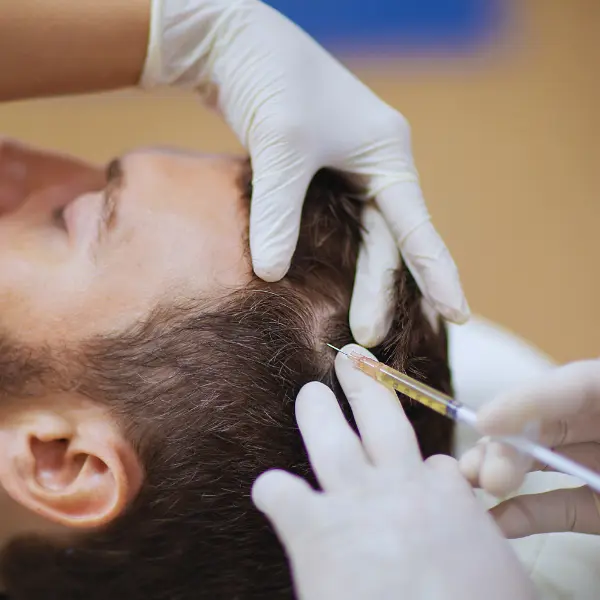
Local anesthesia is used during the procedure, so patients typically experience minimal discomfort. There might be some mild pain or soreness in the days following the surgery, which can be managed with pain medications.
4. What is the recovery period like?
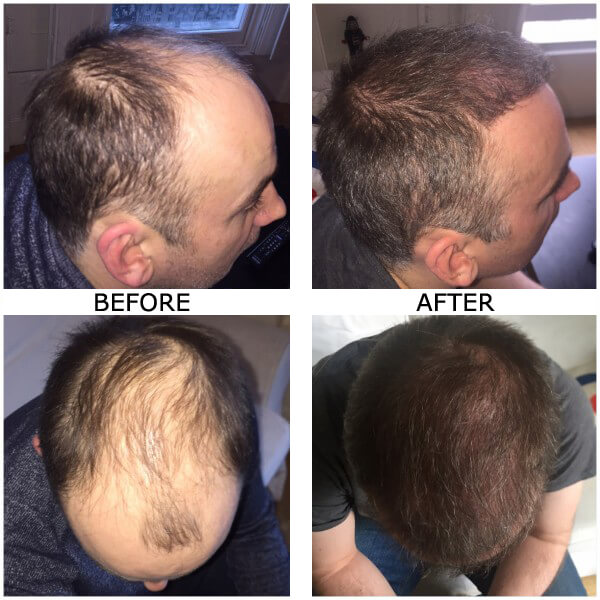
Recovery time varies, but most people can return to work within a few days. The transplanted hair may fall out initially, but new growth usually begins within a few months.
5. Are there any side effects or risks associated with hair transplants?
Like any surgical procedure, there are potential risks, including infection, scarring, and unnatural-looking results. It’s important to follow post-operative care instructions to minimize these risks.
6. How much does a hair transplant cost?
The cost varies widely based on factors such as the extent of hair loss, the method used, and the geographic location of the clinic. It’s essential to get a detailed cost estimate during the consultation.
7. How long does it take to see the final results of a hair transplant?
The final results can take several months to a year. Patience is key as the transplanted hair goes through its natural growth cycle.
8. Are the results of a hair transplant permanent?
Hair transplants use permanent hair from the donor area, making the results relatively permanent. However, the natural aging process can continue to cause hair thinning in other areas.
Who is Suitable for Treatment & Who Might Not Be?
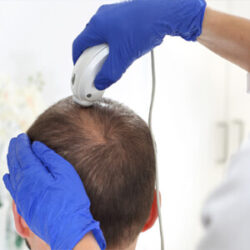
The procedure of hair transplant in Patna is usually suitable for patients who are between 25 and 65 years old and have enough donor hair density, stable hair loss patterns, good health status, and proper understanding of treatment outcomes.
The treatment produces outstanding results for patients who experience hair loss because of male/female pattern baldness or injuries or burns.
However, the treatment is not suitable for patients who have insufficient donor hair density, active scalp infections, uncontrolled diabetes, bleeding disorders, or unrealistic treatment expectations.
The treatment approach for patients with diffuse unpatterned hair loss and early-stage hair loss should focus on alternative medical solutions before hair transplantation becomes an option.
Step-by-Step Treatment Journey
- Initial Consultation: The first appointment includes a complete evaluation of hair loss patterns, medical records, and donor hair area assessment.
- Treatment Planning: The treatment plan includes individualized graft calculation, selection of techniques and hairline design discussion.
- Pre-procedure Preparation: The patient receives medical clearance and receives instructions about medications and procedure day guidelines.
- Procedure Day: The procedure starts with local anesthesia administration before the doctor extracts grafts and implants them exactly where needed.
- Immediate Post-op Care: The patient receives bandaging along with medications and specific aftercare instructions during the immediate post-operative period.
- Follow-up Visits: The patient needs to visit the clinic for scheduled check-ups at the intervals suggested by the dermatologist after treatment.
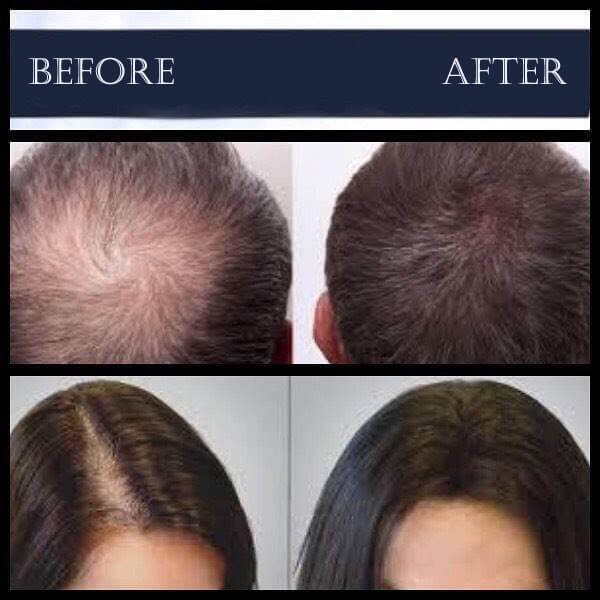
- Final Results: The treatment produces noticeable hair growth after 3-4 months before patients achieve their complete results at 12 to 18 months.
Clinic Credentials, Team & Technology
Dr. Rizwana Barkat (MBBS, MD Skin & V.D.) leads the hair transplant treatment in Patna at R Square, Skin, Hair, Nail Clinic, bringing extensive expertise in aesthetic dermatology and hair restoration. Her specialized experience of multiple years allows her to perform advanced microscopic dissection techniques, ensuring maximum graft survival rates and natural-looking results.
The clinic operates with modern equipment which includes high-precision microscopes for graft preparation and latest extraction and implantation instruments and follows international sterilization standards. The hair transplant suite operates under strict infection control measures to protect patients while delivering superior surgical results.
Post-Procedure Aftercare Instructions
- Medication Compliance: Patients must follow the doctor’s instructions to take antibiotics and anti-inflammatory medications for preventing infection.
- Gentle Hair Washing: Begin shampooing after 48-72 hours using mild products with gentle patting motions.
- Sleep Position: Patients should maintain 45-degree elevation during the first week to reduce swelling.
- Activity Restriction: Patients need to avoid all strenuous physical exercise, swimming, and heavy lifting for 2-3 weeks post-procedure.
- Sun Protection: The patient should use a loose hat or stay out of direct sunlight during the first month.
- Follow-up Attendance: Patients need to visit the doctor for all scheduled appointments to check their progress and address any questions they have.
What You Should Do: The first 48 hours require patients to keep the transplanted area clean and dry. Patients should apply prescribed ointments with gentle touch while avoiding any rubbing of the skin.
You should also drink enough water while consuming foods high in protein because these elements help hair development. Patients should use a soft pillow and avoid scratching their scalp even when they experience mild itching.
What You Should Avoid: The patient should avoid touching, rubbing, or picking the transplanted grafts during the initial healing period. Patients should avoid drinking alcohol, smoking, and taking blood-thinning medications for at least two weeks after their procedure.
Patients should also stay away from saunas and steam baths and should limit their time under direct sunlight. Avoid wearing any headgear that causes scalp friction.
Comparison to Alternatives / Other Treatments
Hair transplant in Patna provides permanent solutions for advanced hair loss cases when non-surgical treatments prove ineffective.
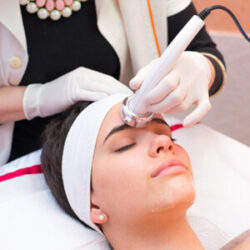
The procedures of PRP treatment for hair loss in Patna, mesotherapy, and medications (minoxidil, finasteride) work best for treating early-stage hair thinning but they cannot restore complete baldness.
Scalp micropigmentation through tattooing creates an illusion of density appearance but fails to generate actual hair growth.
Hair transplantation stands as the definitive treatment for patients who want permanent results and have established hair loss patterns because it delivers natural and enduring solutions that non-surgical methods cannot match.
Choose R Square Clinic for Hair Transplant in Patna!
R Square Clinic stands as the best hair transplant clinic in Patna because Dr. Rizwana Barkat delivers specialized care with natural results and a patient-focused approach. The clinic delivers advanced technology with individualized care to achieve superior graft survival rates and aesthetic results.
Our Phulwari Sharif location provides easy access to local patients and those who travel from throughout Bihar seeking quality hair transplant in Patna Bihar.
Our clinic provides competitive pricing than major metropolitan cities while maintaining transparent consultation procedures and complete post-treatment care, making us the top destination for hair transplants.
We serve patients from neighboring districts with comfortable facilities while offering flexible scheduling for hair transplant procedures under the expert care of our trusted hair transplant doctor in Patna, Dr. Rizwana Barkat.
Patients who want permanent hair restoration solutions should select R Square Clinic for their hair transplant needs in Patna because we deliver expert care with modern technology and successful results.